Cloud computing isn’t just another tech trend—it’s the backbone of how companies operate now. Whether you’re running a small startup or managing teams across continents, the cloud gives you flexibility and helps you grow without killing your budget. But here’s the catch: the more businesses move to the cloud, the bigger the target on everyone’s back. Data breaches, ransomware, compliance headaches—they’re real, and they can wreck both your bottom line and your reputation.
If you want your business to actually go global and survive, strong cloud security isn’t optional. It’s where you start.
Get Clear on Who Handles What
A lot of companies get burned by misunderstanding the shared responsibility thing. Sure, AWS, Azure, and Google Cloud keep their hardware and networks locked down. But everything else? That’s yours to deal with. Your data, your apps, your user permissions—if you don’t control them, nobody will.
Too many attacks happen because teams just assume the provider’s got it all covered. Don’t be that company. Make sure everyone knows exactly what they’re responsible for.
Drop Old Habits—Go Zero Trust
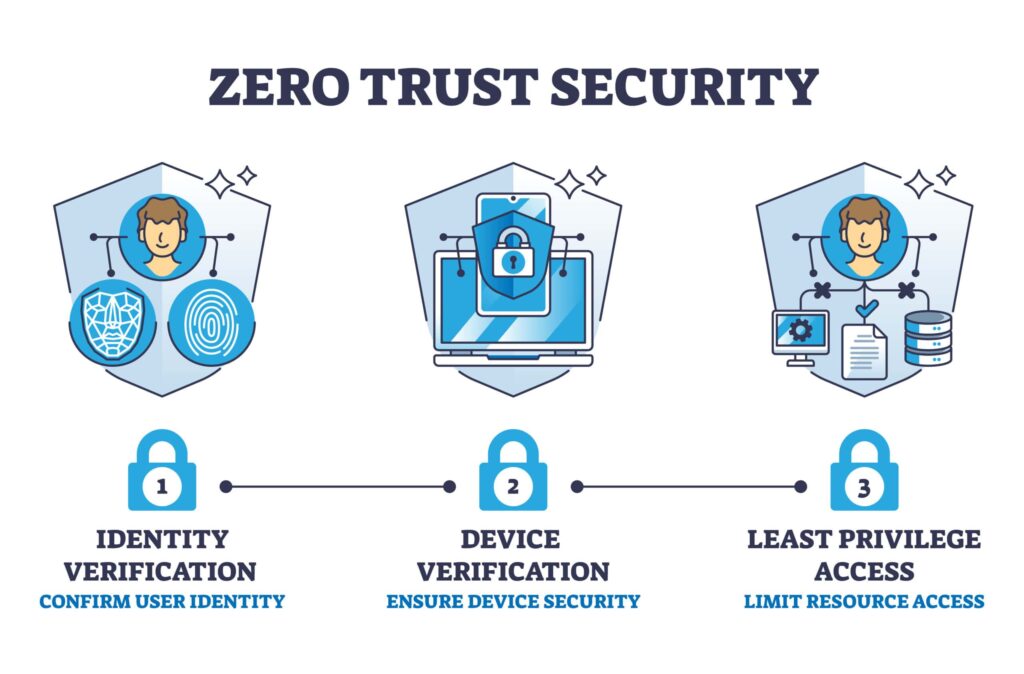
The “trust everyone inside the network” mindset is ancient history. With remote work and people logging in from coffee shops and airports, you can’t assume anyone is safe. Zero Trust means you don’t trust anything or anyone by default. Ever.
How does that look in real life?
- Use multi-factor authentication everywhere
- Set up role-based access so people only see what they need
- Practice least privilege, always
- Double-check identities every time
These moves shut out a ton of insider threats and keep random hackers from wandering around your systems.
Protect Your Data Like It’s Gold
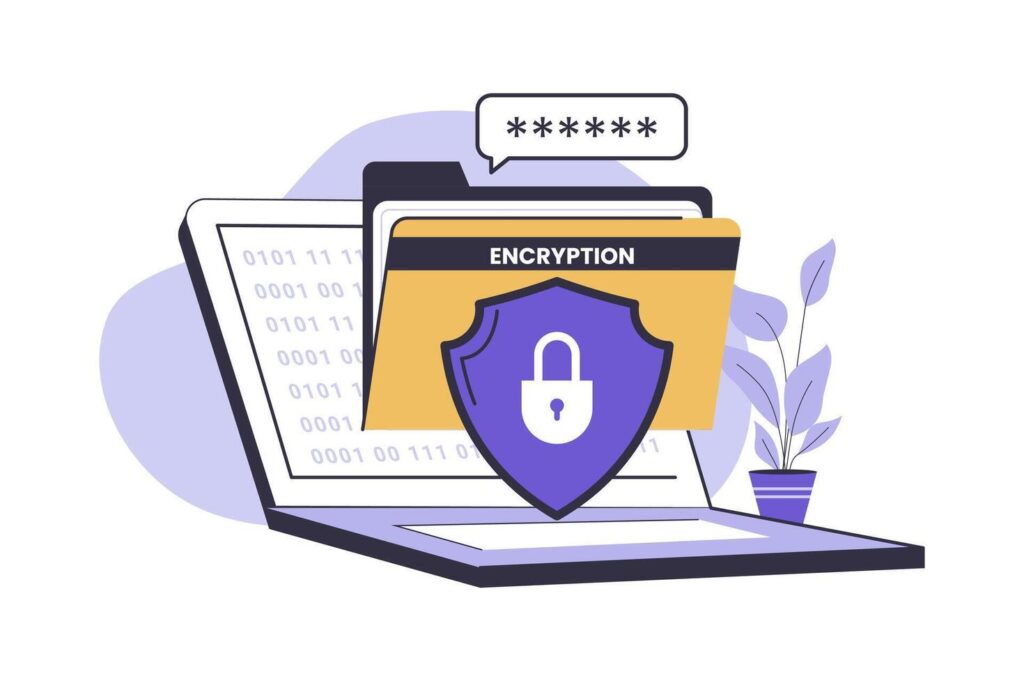
Your data is everything—customer info, money stuff, trade secrets. Letting it slip out? That’s a nightmare. So encrypt it. All of it. Whether it’s just sitting around or moving from point A to point B.
Here’s what works:
- AES-256 for data at rest
- TLS 1.2 or newer for anything in transit
- Lock up your encryption keys with Key Management Services
Good encryption doesn’t just stop hackers. It also keeps you compliant with laws like GDPR and HIPAA.
Manage Access Like It Matters (Because It Does)
Sloppy access controls are a hacker’s dream. Don’t let weak passwords or forgotten accounts be your downfall.
Stay sharp by:
- Regularly checking who can access what
- Deleting old, unused accounts
- Using Single Sign-On so people aren’t juggling a dozen logins
- Enforcing strong, unbreakable passwords
Less access means less risk. Simple as that.
Always Keep an Eye Out
Threats don’t work 9 to 5. If you’re not watching, you’re already losing. Modern monitoring tools—think SIEM—are your early warning system.
What should you look for?
- Strange login locations or hours
- Odd API calls
- Data heading where it shouldn’t
- Signs of malware or ransomware
Spotting trouble early gives you a fighting chance. The faster you move, the less you lose.
Don’t Get Tripped Up by Simple Mistakes
Honestly, a lot of disasters come down to human error. Maybe someone leaves a storage bucket open, or forgets to close a port. Suddenly, you’ve got a hole big enough for anyone to walk through.
Stay safe by:
- Running regular security audits
- Automating your settings and checks
- Patching vulnerabilities immediately
- Shutting down anything you don’t actually use
Automation helps you stay consistent and catches those little mistakes before they turn into big problems.
Prepare for the Worst
Even with everything locked down, bad stuff still happens. What counts is how you respond. A real incident response plan is your safety net.
Make it clear:
- How to report and escalate issues
- Who’s responsible for what
- How backups and disaster recovery will save you
- Who needs to know, and how you’ll tell them
Drills and penetration tests keep your team ready for whatever comes.
The Takeaway
The cloud helps you move fast and dream big. But if you ignore security, you’re putting your business, your customers, and your future on the line. Build your cloud on Zero Trust principles, tough encryption, smart access controls, constant monitoring, automation, and a solid response plan.
Cloud security isn’t just a tech upgrade. It’s what keeps your company alive.