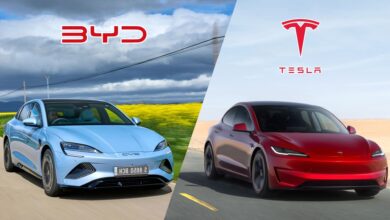
In the frenzied rush towards electric mobility, one of the most enduring challenges is EV charging convenience and speed. Even with increasing electric vehicle sales, customers are waiting because of slow charging and patchy infrastructure.
Enter a new kid in town to solve this issue — battery swapping. This technology has the potential to make a difference to the future of electric car ownership and alter the energy landscape of the planet.
What Is Battery Swapping?
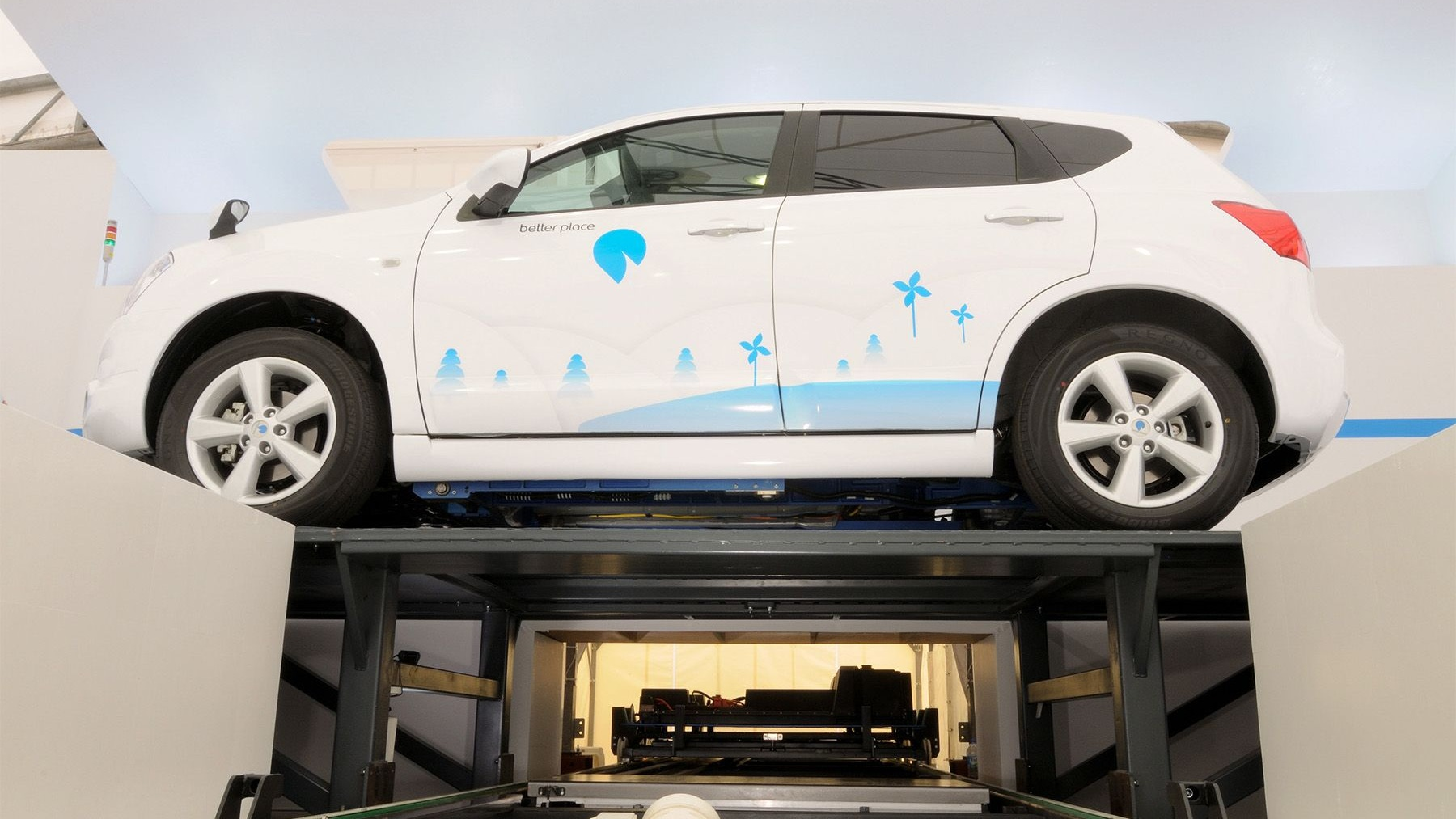
Battery swapping allows drivers to exchange their spent battery for a charged one within minutes. Instead of having to spend between 30 and 60 minutes at a charging overspeed station, drivers spend less than five. It’s a deceptively simple concept but one with revolutionary implications: drivers do not have to “own” batteries. They pay to subscribe to an instant-access system that provides them with charged units.
This Battery-as-a-Service (BaaS) model reduces the upfront cost of EVs and offers consumers convenience and peace of mind. Like refueling a gas tank, the driver simply drives up to a station, swaps, and departs.
China Leads the Charge
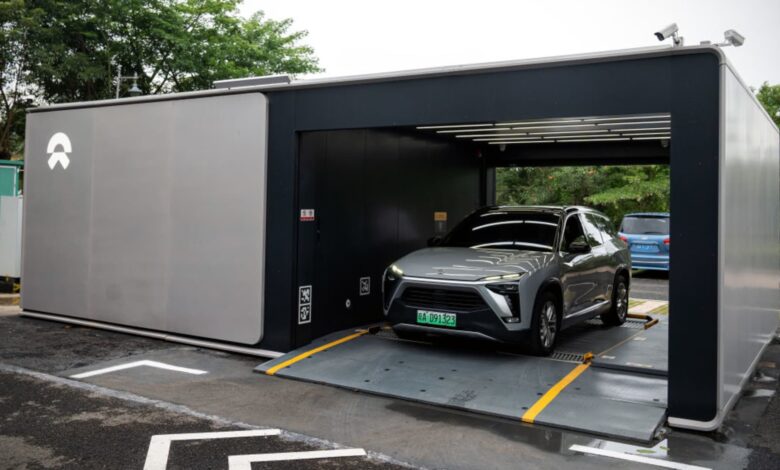
Although the concept is still in its infancy in the remainder of the world, China has become the leader in battery swapping globally. Companies like NIO and BAIC have already opened thousands of swap stations in metropolitan areas, catering to millions of EV users daily.
The Chinese government has also contributed significantly to making this happen, offering incentives and uniform battery designs to help the system scale.
NIO, for instance, claims its swapping stations will swap a battery in under three minutes — faster than fueling a gasoline-powered vehicle. Such speed could be the magic to making mass markets believe electric mobility is not just green, but convenient.
The Western Dilemma: Standardization and Cost
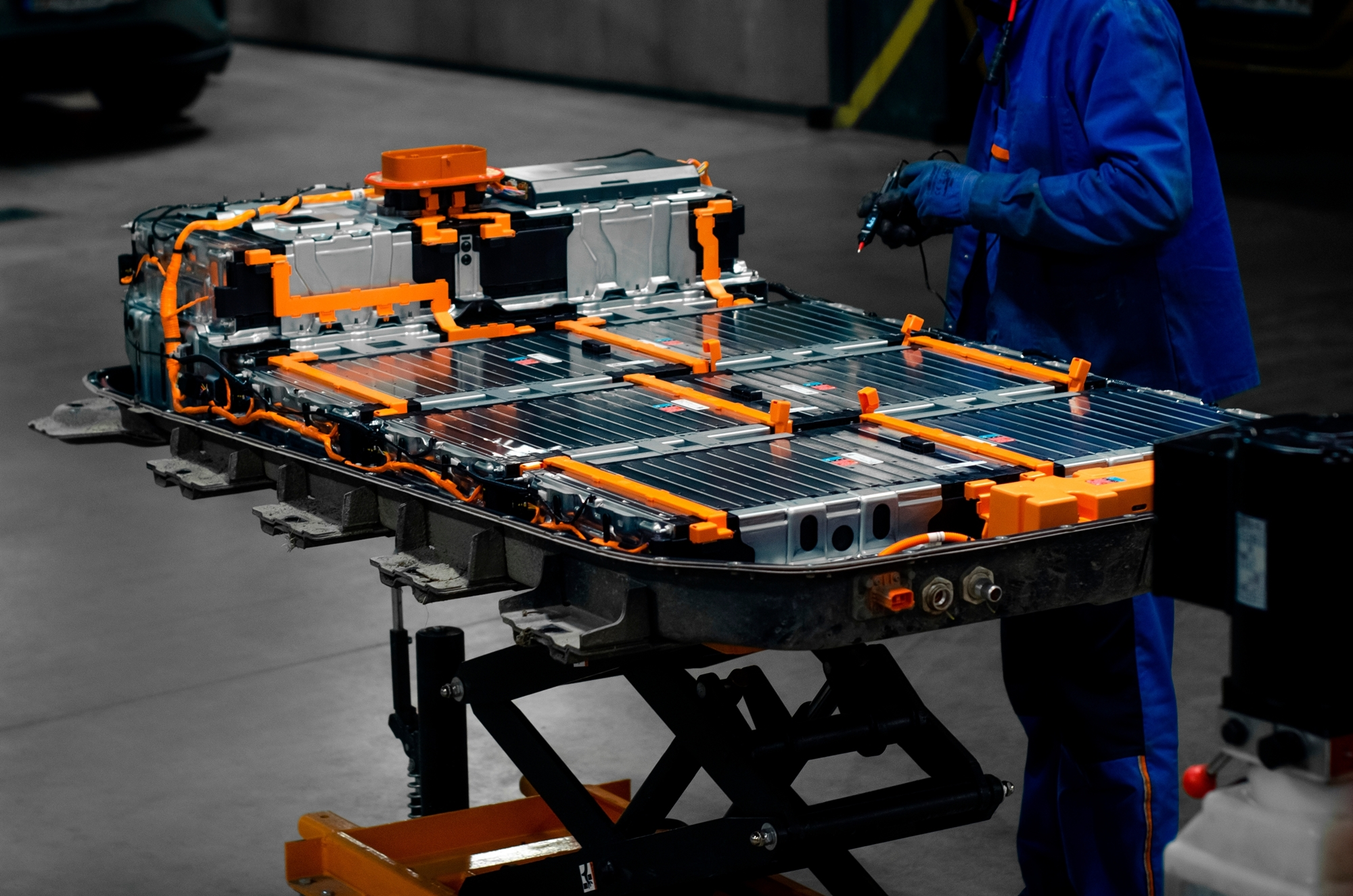
Even though China has achieved so much, Europe and the U.S. have their tough challenges. The first challenge is fragmentation in battery design — every automobile company has a different battery shape and size, so it is difficult to design universal swap stations.
Apart from that, the expense of infrastructure is a significant barrier. Advanced robotic systems, energy management systems, and vast sums of money are required for every swapping station. Without industry cooperation or government subsidies, battery swapping in the West can only be an at-best niche product.
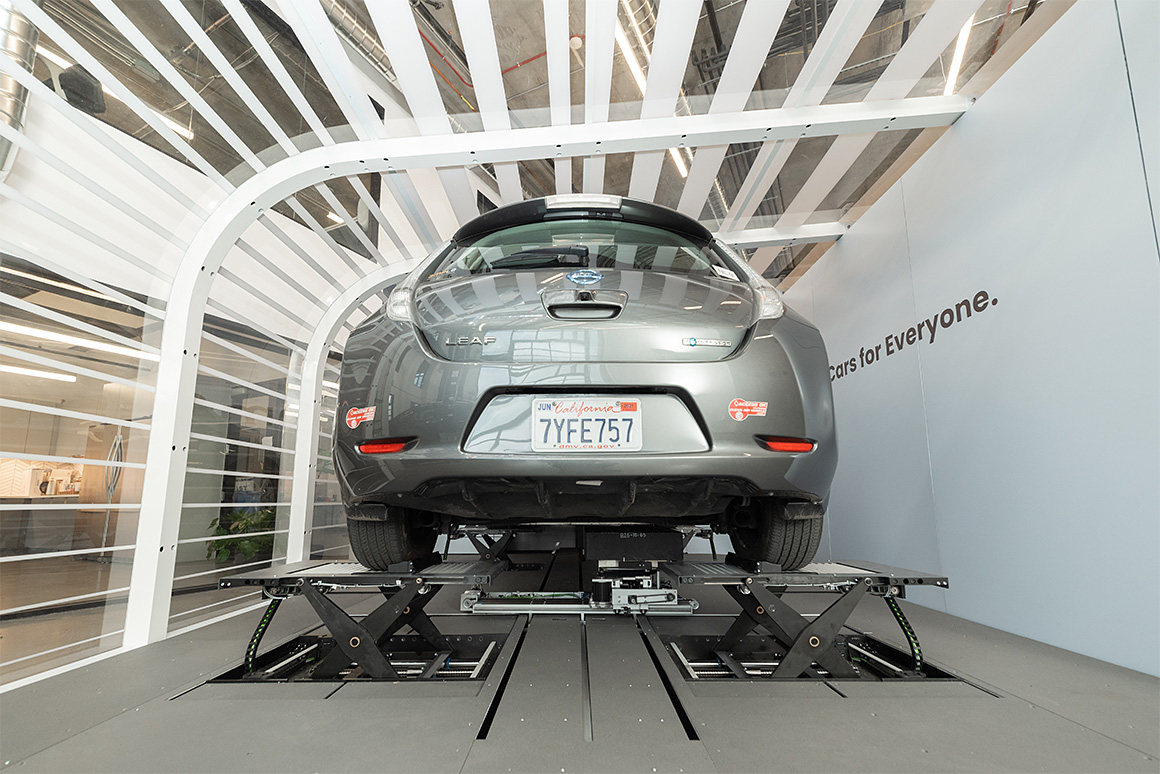
But San Francisco-based Ample and other startups like it are proving that modular battery packs can be the answer. By creating flexible battery modules, Ample has already begun to attract fleet operators like Uber, proving that the model can be economical for commercial use even in scattered markets.
Economic and Environmental Potential
Business-wise, battery swapping offers new streams of revenue. Automakers can provide subscription-based energy services, and operators can derive benefit from constant battery usage and data analysis.
Environmentally, swapping allows for reuse and recycling of batteries, extending battery life and reducing waste — a giant leap towards sustainable mobility.
Additionally, governments of developing economies such as India and Indonesia are contemplating swapping as a viable alternative where grid availability remains limited. Swapping stations can even be supplied with renewable energy microgrids, which makes them even more flexible compared to the traditional fast-charging installations.
The Road Ahead
Battery swapping won’t replace other ways of EV charging, necessarily, but it’s already proving to be a valuable complementary choice. For fleet operators, urban commuters, and developing economies, it is providing unmatched efficiency and scalability.
With standardization efforts staying on track and partnerships broadening across industries, the question may soon be being asked to shift from “Will battery swapping be possible everywhere?” to “When will it be the new norm?”