How the Emerging Markets Are Redefining the Next Generation of Eco-Vehicle Adoption

The world’s rush to greening transport has shifted into high gear, but it is actually the emerging economic titans and not America’s car giants or Western Europe’s car titans that are set to spearhead the next green car wave of adoption. Instead, Asian, African, and Latin American nations are spearheading a fresh green mobility wave. With massive populations, fast urbanization, and increasing environmental consciousness, these countries are transforming the world’s paradigm to green travel technology.
1. The Ideal Setting: Growth, Demand, and Digital Transformation
There is a concerted play of forces in the emerging economies that puts them on a robust footing to evolve electric vehicle (EV) production. Increases in fuel prices, state-sponsored policies, and technological advancements have put EVs on the agenda for adoption. India, Indonesia, Brazil, and South Africa are making big bets on EV infrastructure ranging from charging stations to clean energy networks.
In addition, growth in smartphone penetration and digital payments is propelling innovation in premium mobility solutions such as electric ride-sharing fleets and battery-swapping terminals—the type of solutions that resonate with local economic and social conditions. Convergence among public-private initiatives and digital systems is propelling the region into low-carbon mobility.
2. Affordability as a Driving Force
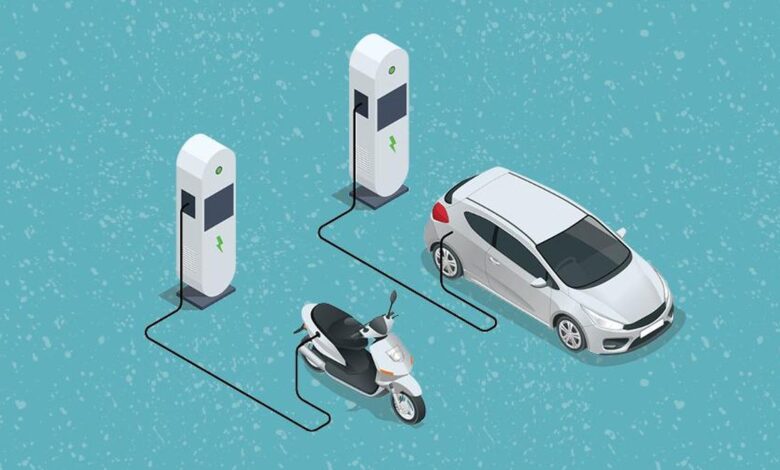
Whereas mature high-end electric vehicle markets in developed nations are looking to low-end electric vehicle alternatives in the form of electric rickshaws, scooters, and small cars in emerging markets, this economic consideration is changing the character of the EV market entirely. For example, India’s plan to electrify two- and three-wheelers is already mitigating urban air pollution and enabling mobility for millions.
Locally, players are also surfacing, locally adapted cars, and making battery technology affordable. As production grows and supply chains become more mature, battery prices will fall even lower, and EVs will be within reach of many more people. That affordability is a door to the realization of sustainable development goals and to making sustainable mobility an everyday common good and no longer a luxury.
3. Government Policies Supporting Green Transitions
Government marketing policies are also a driving force behind adopting eco-cars in emerging economies. Governments have designed tax incentives, reduced customs duties, and direct subsidy for encouraging the production and sale of EVs.
For example, Indonesia is poised to become a hub of EV battery production based on its massive nickel deposits, which are part of the primary sources for the production of lithium-ion batteries. Brazil, on the other hand, is widening the use of biofuels and hybrid technology to supplement electric mobility. These policy settings not only are inducing domestic industries but also attracting foreign investments from top automakers as well as clean energy players.
4. Outside the Vehicle Itself
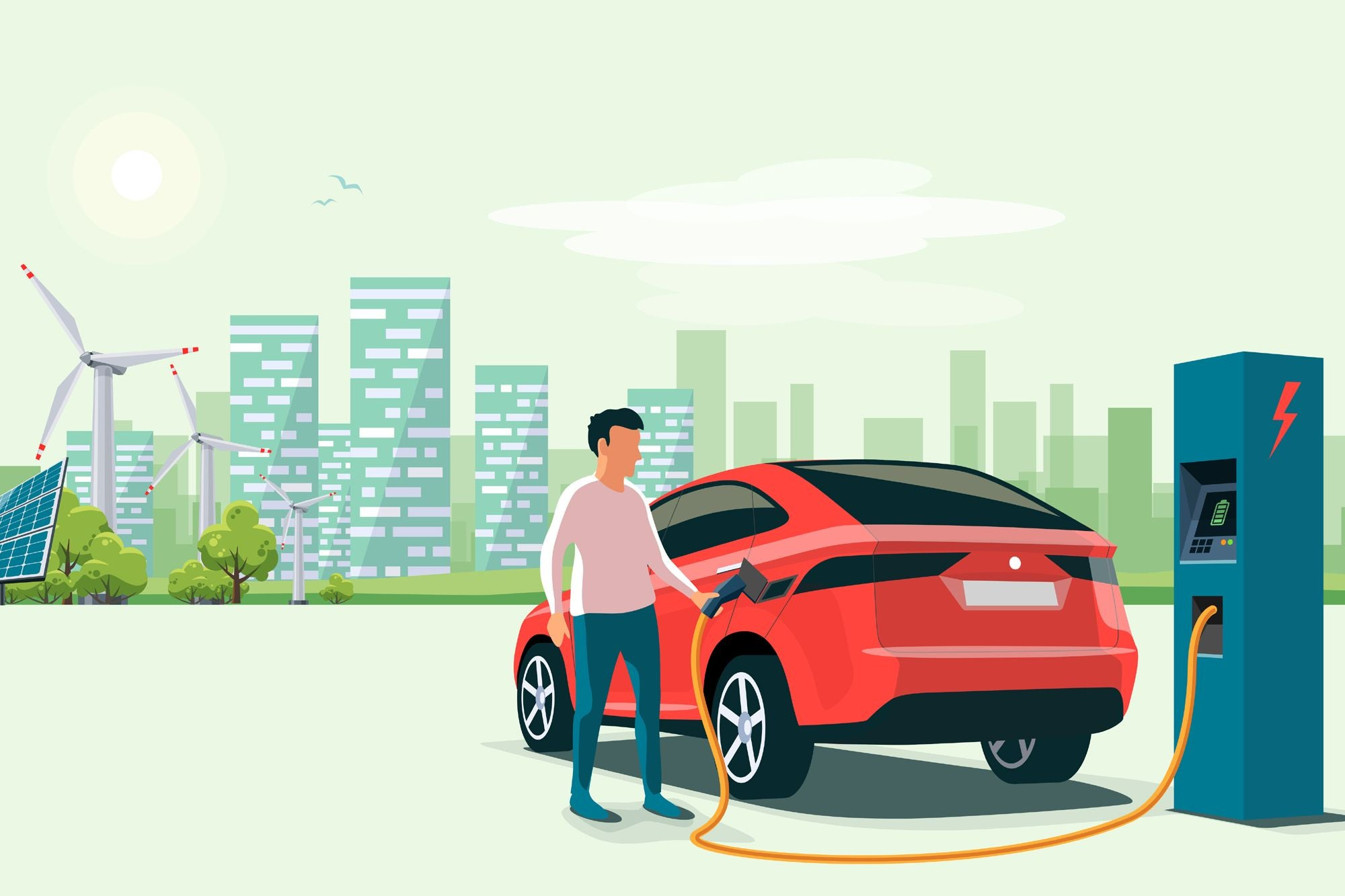
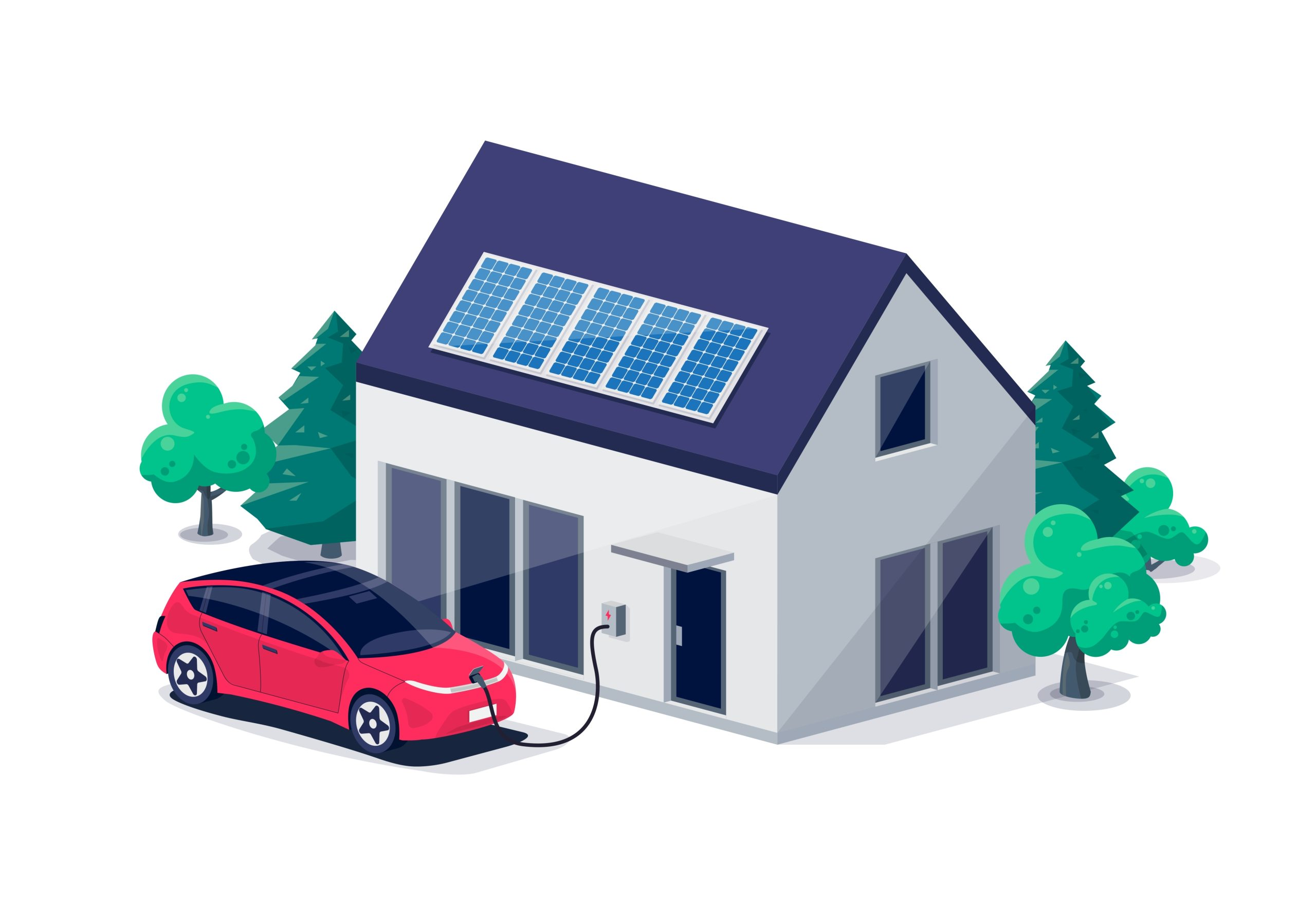
Green car use in the emerging market involves more than tailpipe emissions reduction. It also includes the adoption of an end-to-end sustainable transportation system. Private sector and governments are investing in renewable energy technologies such as solar and wind to usher in a clean touch in EVs throughout their lifecycle.
Besides, circular economy initiatives—such as recycling EV batteries and recycling them for second-life applications—gain popularity. All these initiatives ensure the whole lifecycle of an eco-car aligns with international standards of sustainability, thereby enhancing environmental and economic resilience.
5. The Global Significance
While their uptake of EVs will be growing, the contribution of developing economies to global automotive trends will be immense. Their need for affordable, efficient, and clean mobility solutions will rewrite EV supply chains, will propel innovation in battery technology, and will propel the world toward net-zero emissions.
Conclusion
New markets are revolutionizing the era of EVs with low-cost, innovative, and sustainable transport. Good policy, renewable energy investment, and domestic innovation are propelling India, Indonesia, and Brazil to a green mobility revolution. What they are achieving demonstrates that the future of transportation will be not by technology, but by inclusivity, accessibility, and sustainability.